The Rise of Hyper-Casual Games: Trends and Insights
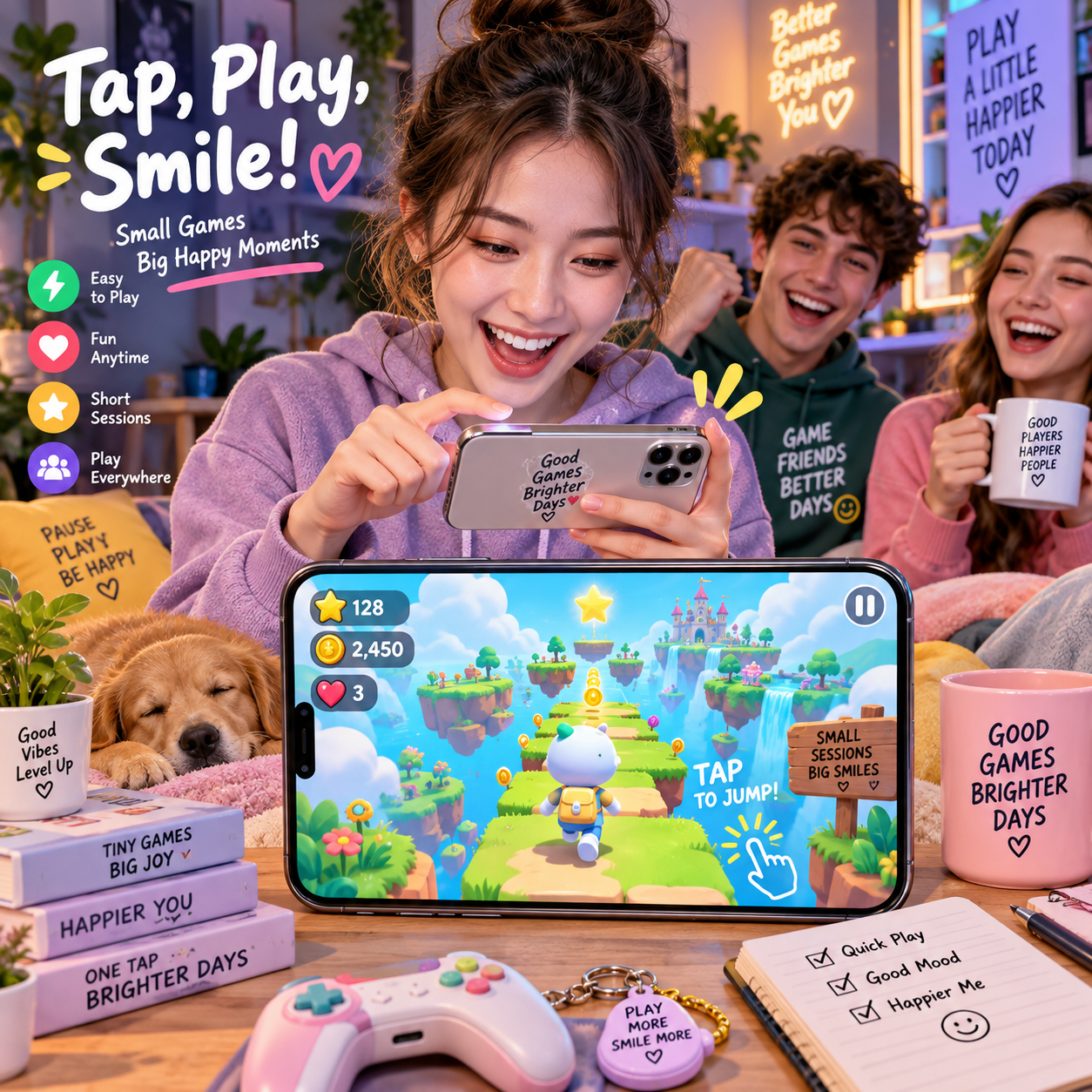
Hyper-casual games have changed how millions of people play on mobile devices. Their appeal comes from a simple promise: open a game, understand it almost immediately, and enjoy a satisfying challenge in a spare minute. A single tap, swipe, or hold can be enough to guide a character, stack objects, avoid obstacles, or solve a compact puzzle.
The genre has also matured. Early hyper-casual titles often focused on one mechanic and rapid replay, while newer releases borrow progression, customization, and social features from broader casual games. This evolution creates fresh opportunities for creators, although discoverability, retention, and advertising pressure remain difficult problems.
What Are Hyper-Casual Games?
Hyper-casual games are mobile games built around simple mechanics, accessible controls, fast onboarding, and short, repeatable gameplay sessions. Players can usually begin without a tutorial lasting more than a few seconds, making the format easy to understand for both experienced and occasional players.
One-touch controls are a defining feature. A tap might make a character jump, change direction, or release an object. Swiping can steer a vehicle or sort items, while holding a finger on the screen may control speed or height. The input is uncomplicated, but timing and accuracy create the challenge.
Most hyper-casual games follow a clear rhythm:
- Immediate entry: the player starts playing with little or no account setup.
- Simple objective: the goal is visible through the environment or the first interaction.
- Fast outcome: a run may end within seconds or a few minutes.
- Instant restart: the next attempt begins with minimal friction.
This structure suits mobile gaming because phones are used in varied situations: during a commute, between tasks, or while waiting. The best designs make failure feel informative rather than punishing. Players quickly see what went wrong and can try again with a slightly better strategy.
How Hyper-Casual Games Became Popular
Hyper-casual games became popular because mobile devices made gaming widely available, while low learning curves and rapid play fit fragmented leisure time. Their visual simplicity also helped developers test ideas quickly and helped players recognize how to play from the first screen.
Mobile gaming removed many traditional barriers. Players did not need dedicated hardware, a long installation process, or prior knowledge of a complex control scheme. Touchscreens provided a natural interface, and app stores placed thousands of games within reach of a few searches or recommendations.
Short gameplay sessions were equally important. A player could complete one round while waiting for a coffee, then return later without losing a complicated narrative thread. That flexibility broadened the audience for casual games and made hyper-casual titles attractive to people who might not describe themselves as gamers.
Sharing and discovery reinforced the pattern. A difficult level, an unusual failure, or a surprisingly high score could become a quick conversation topic or social-media clip. Creators could also experiment with different concepts and observe how users responded to early versions. The low mechanical complexity reduced development barriers, though producing a polished and distinctive experience still required strong game design.
App-store visibility played a role as well. Clear icons, short preview videos, and instantly understandable screenshots communicated the central mechanic quickly. That presentation advantage mattered in crowded marketplaces where users often make a download decision in seconds.
Key Design Trends Shaping the Genre
Hyper-casual design trends now combine instant playability with stronger feedback, varied mechanics, and lightweight progression. The genre still values simplicity, but successful games increasingly give players reasons to return beyond chasing a single high score.
Minimalism with stronger feedback
Minimalist interfaces remove unnecessary menus and visual noise. Large targets, clear colors, and readable animations help players understand the relationship between an action and its result. Haptic feedback, sound effects, particle effects, and brief celebratory animations can make a correct move feel substantial without complicating the controls.
The challenge is balance. Too little feedback makes an interaction feel flat; too much can distract from the next decision. Designers often treat every sound and animation as information, not decoration.
Instant playability and mechanic variety
Many games still begin with a single mechanic, but that mechanic may evolve across stages. A stacking game can introduce moving platforms, changing speeds, or limited space. A sorting puzzle can add color combinations, time pressure, and obstacles. These changes preserve the original accessibility while preventing the experience from becoming repetitive.
Progression and personalization
Coins, unlockable characters, cosmetic items, missions, and daily challenges give players a sense of movement. Progression works best when it supports play rather than blocking it. If every meaningful action requires a payment or a long wait, the player may leave before forming a habit.
Personalization is also expanding. Difficulty can respond to a player’s performance, while cosmetic rewards allow expression without changing competitive balance. This creates a useful design principle: keep the first interaction simple, then add depth after the player has demonstrated interest.
Monetization and Distribution Models
Hyper-casual monetization usually relies on free-to-play access, advertising, and optional in-app purchases. The central business challenge is earning revenue without interrupting the short, satisfying sessions that attract players in the first place.
Advertising monetization commonly includes:
- Interstitial ads: full-screen ads shown between rounds or after a natural stopping point.
- Rewarded video: an optional ad that grants a benefit, such as an extra life or bonus currency.
- Banner advertising: a persistent placement that is less disruptive but may generate less attention.
Rewarded video often fits the genre well because the player chooses whether the benefit is worth the short interruption. An interstitial placed after every attempt may produce more immediate impressions, but it can also increase frustration and reduce player retention. Revenue decisions therefore need to consider session length, return visits, and player sentiment together.
In-app purchases can remove ads, unlock cosmetic items, or provide limited convenience. They tend to work better when they feel optional and transparent. A useful test is whether a player who spends nothing can still enjoy the core game without unreasonable delays.
Distribution begins before installation. App-store optimization depends on a recognizable icon, a direct title, accurate screenshots, and a preview that demonstrates the actual mechanic. User acquisition campaigns may show short gameplay clips, but misleading advertisements create poor expectations and can damage retention. The most effective acquisition message usually matches the experience inside the app.
Hyper-Casual Games and the Broader Casual Market
The main difference between hyper-casual and casual games is depth of engagement: hyper-casual titles prioritize immediate controls and very short sessions, while broader casual games often provide more progression, content, and long-term structure. Hybrid-casual games sit between these approaches.
| Feature | Hyper-casual | Casual | Hybrid-casual |
|---|---|---|---|
| Controls | Often one-touch or a single gesture | Simple, with more contextual actions | Accessible controls with added systems |
| Session length | Usually seconds to a few minutes | Often several minutes or longer | Short sessions with optional extended play |
| Progression | Light or score-based | Levels, collections, or upgrades | More persistent progression and goals |
| Retention strategy | Replayability and quick rewards | Content, habits, and achievement | Replayability combined with deeper systems |
These categories overlap. A simple puzzle may become a casual game when it adds a world map, character collection, or long-term objectives. The label describes a design emphasis rather than a strict technical standard.
For players, the choice depends on available time and preferred motivation. Hyper-casual games offer immediate amusement and low commitment. Casual and hybrid-casual games ask for more attention but can provide a stronger sense of ownership and accomplishment.
Challenges Facing Hyper-Casual Developers
Hyper-casual developers face intense competition, uncertain discoverability, content repetition, ad fatigue, and difficult player-retention targets. A mechanic can be easy to understand yet hard to turn into a durable game.
Discoverability and imitation
App stores contain many titles with similar visual language and controls. A familiar idea may attract clicks, but it can disappear quickly if the game offers no distinctive twist. Developers need to test concepts early, then invest in presentation, level variety, and a clear identity.
Retention versus simplicity
Simple onboarding does not guarantee repeat play. If each round feels identical, curiosity fades. Designers can add new environments, changing rules, missions, and carefully timed challenges, but these additions must remain legible. Complexity that arrives too quickly undermines the genre’s central advantage.
Ad fatigue and player trust
Frequent interruptions may increase short-term advertising opportunities while reducing future sessions. Players also notice when an advertisement promises a mechanic that the game barely contains. Honest promotion, optional rewards, and predictable ad placement support a healthier relationship.
A practical review framework is the three-second, three-minute, three-day test. Can a new player understand the action in three seconds? Is there enough variation to sustain three minutes? Does the game offer a credible reason to return after three days? The framework does not replace analytics, but it exposes weaknesses early.
The Future of Hyper-Casual Games
The future of hyper-casual games will likely involve hybrid-casual design, deeper progression, personalization, social features, and more careful balancing between monetization and long-term engagement. The direction is evolutionary rather than guaranteed, and different audiences will support different levels of depth.
Hybrid-casual design allows creators to preserve an immediate first session while adding systems that reward continued play. Examples include collection goals, seasonal events, asynchronous competitions, character customization, and light narrative. These features can improve player retention, but they also raise production costs and require more content planning.
Personalized difficulty may become more common. A player who fails repeatedly could receive clearer feedback or a gentler early challenge, while an experienced player might unlock harder patterns. Used carefully, this approach keeps the game welcoming without making success feel automatic.
Social play offers another path. Leaderboards, friend challenges, shared goals, and short competitive events can make a solitary mechanic feel more meaningful. Yet social features should remain optional for players who prefer private, low-pressure play.
For creators, the strongest opportunity lies in treating simplicity as an entry point rather than a complete design philosophy. The opening interaction should be effortless; the reasons to return should be thoughtfully built. For players, that may produce games that still fit into a spare minute but offer enough variety to become lasting favorites.
Frequently Asked Questions
What makes a game hyper-casual?
A hyper-casual game uses simple mechanics, accessible controls, fast onboarding, and brief repeatable sessions. One-touch controls and immediate restarts are common, although modern examples may include additional progression.
How are hyper-casual games different from casual games?
Hyper-casual games usually minimize controls and session length, while casual games may include longer levels, richer progression, collections, upgrades, or narrative elements. Hybrid-casual titles combine accessible entry with deeper systems.
How do hyper-casual games make money?
Most use a free-to-play model supported by advertising monetization, especially interstitial and rewarded video ads. Some also offer optional in-app purchases, such as ad removal, cosmetics, or convenience features.
Why are short gameplay sessions important?
Short gameplay sessions fit the fragmented nature of mobile gaming. Players can start and stop easily, which makes the format attractive during brief periods of free time and lowers the commitment required to try a new game.
What is hybrid-casual game design?
Hybrid-casual game design combines the immediate accessibility of hyper-casual games with deeper progression, customization, events, or social systems. Its goal is to preserve a simple first experience while encouraging longer-term engagement.